He was asked if it was an addiction, and he repeatedly used technicalities and weaseley language to refuse to admit it.
“It’s important to differentiate between clinical addiction and problematic use,” [Instagram head Adam Mosseri] added.
“I’m sure I’ve said that I’ve been addicted to a Netflix show when I binged it really late one night, but I don’t think it’s the same thing as clinical addiction.”
Yet, Mosseri repeatedly said he was not an expert in addiction in response to Lanier’s questioning.
he repeatedly used technicalities and weaseley language to refuse to admit it
see
Yet, Mosseri repeatedly said he was not an expert in addiction in response to Lanier’s questioning.
Even if a nonexpert claims something is clinical addiction, they’re a nonexpert & their word is meaningless.
For a credible statement, they’ll need to admit relevant evidence instead of ask a nonexpert.
Imagine being asked for a medical diagnosis when you’re not a qualified physician.
It’s perfectly fair to point out you’re not an expert on the matter & point out your awareness of distinctions between imprecise conventional language & precise, scientific definitions.
No one is obligated to volunteer dubious claims to antagonize themselves on the stand just because you want them to.
That still sounds misleading. He was not speaking for 16 hours of use which is what the headline suggests. As other has stated, I hope those companies crumble but I think honesty is important, not sensationalization.
I fear for the future of reading comprehension. Before the portion Analog quotes, the article gives people multiple paragraphs of context to understand addiction as what is being talked about. I don’t expect the word to be wedged into every sentence about the same topic. Meta’s Adam Mosseri was clearly doing everything in his playbook to not use the word “addiction” in a sentence.
But I do find it much more concerning that Analog appointed himself judge of bad articles, then either accidentally or intentionally omitted the preceding paragraphs that I had to quote for him.


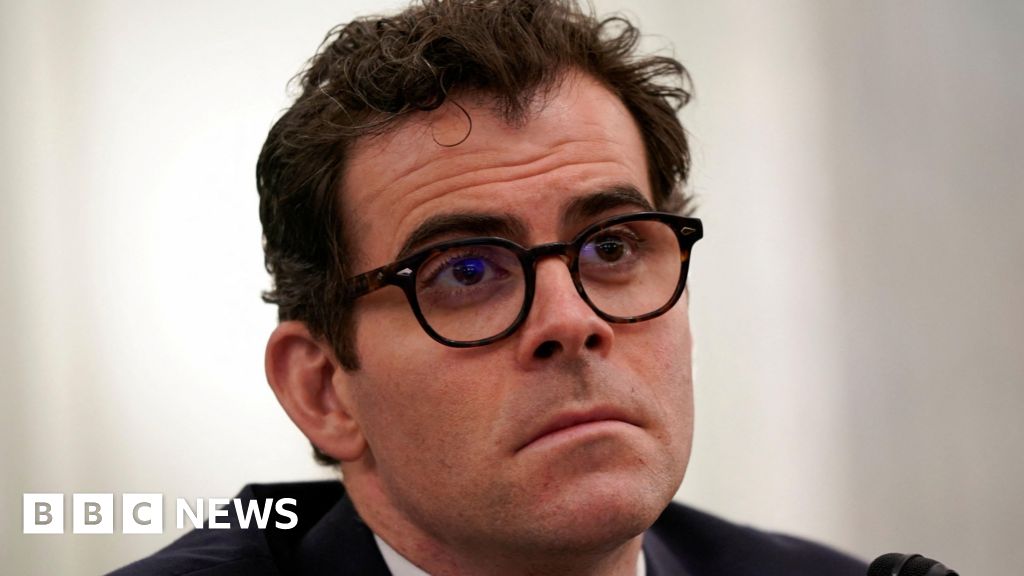
The title is accurate.
He was asked if it was an addiction, and he repeatedly used technicalities and weaseley language to refuse to admit it.
see
Even if a nonexpert claims something is clinical addiction, they’re a nonexpert & their word is meaningless. For a credible statement, they’ll need to admit relevant evidence instead of ask a nonexpert.
Imagine being asked for a medical diagnosis when you’re not a qualified physician. It’s perfectly fair to point out you’re not an expert on the matter & point out your awareness of distinctions between imprecise conventional language & precise, scientific definitions.
No one is obligated to volunteer dubious claims to antagonize themselves on the stand just because you want them to.
Pam Bondi, is that you?
That still sounds misleading. He was not speaking for 16 hours of use which is what the headline suggests. As other has stated, I hope those companies crumble but I think honesty is important, not sensationalization.
I fear for the future of reading comprehension. Before the portion Analog quotes, the article gives people multiple paragraphs of context to understand addiction as what is being talked about. I don’t expect the word to be wedged into every sentence about the same topic. Meta’s Adam Mosseri was clearly doing everything in his playbook to not use the word “addiction” in a sentence.
And Adam Mosseri knew better. We know he’s been confronted with evidence of addiction but doesn’t want to listen.
But I do find it much more concerning that Analog appointed himself judge of bad articles, then either accidentally or intentionally omitted the preceding paragraphs that I had to quote for him.
I fear for it currently if you think it’s okay to make up things people said and put it in a headline.